What is Process Safety?
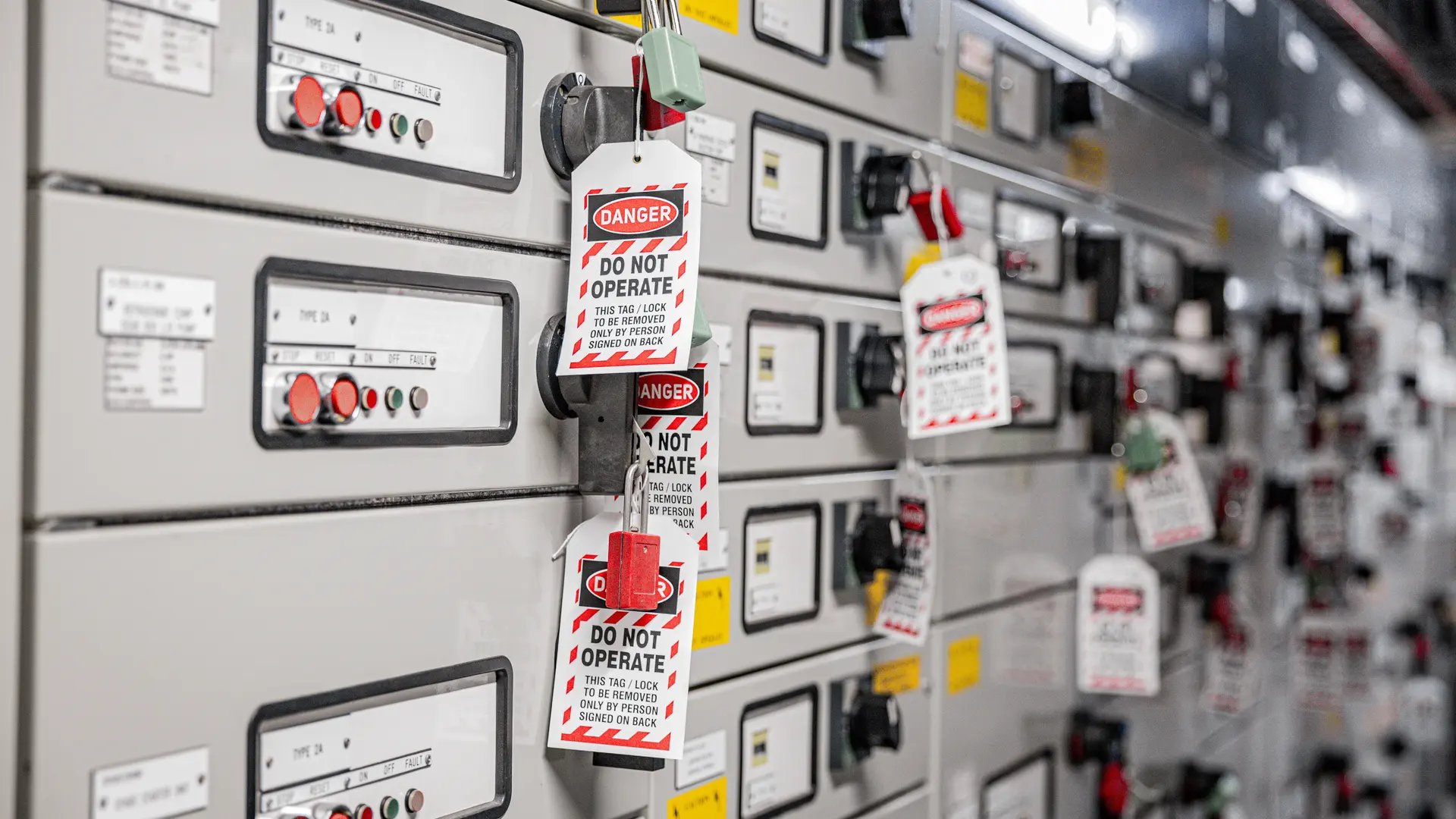
Process safety is an integrated discipline that enables organizations operating in chemical and industrial processes to systematically identify, assess, and manage operational risks. This approach promotes sustainable operational excellence while ensuring compliance with global standards.

Perfection
Excellence begins with the strategic implementation of integrated, advanced process safety technologies. This sophisticated approach allows industrial organizations to comprehensively analyze the complex risks they may face throughout their operational lifecycle, identify root cause factors, and optimize risk mitigation strategies. This allows organizations to achieve the ideal balance between sustainable operational resilience and corporate performance.
Volatile Materials Management: Expert Risk Control
We ensure excellence in your industrial operations by defining optimized safety parameters and critical control points for processes involving volatile, reactive, or potentially high-hazard materials. Our advanced methodologies minimize the risks of fire, explosion, and toxic release, while safeguarding human health and minimizing environmental impacts, ensuring operational sustainability.
Our Process Safety Services
Our comprehensive process safety services offered by SWL
Process Hazard Analysis (PHA)
Process Hazard Analysis (PHA) is a systematic approach used to identify hazards present in an industrial process and assess the risks associated with those hazards. This approach involves identifying potential hazards, assessing their impacts, and implementing necessary control measures.
Importance of PHA
Process hazard analysis is a critical tool for preventing industrial accidents. Identifying hazards early and implementing appropriate control measures helps prevent potential accidents and improve operational safety.
PHA’s Legal Framework and Standards
1. Legal Regulations in Türkiye:
- Regulation on the Prevention of Major Industrial Accidents and Reducing Their Effects (BEKRA)
- Occupational Health and Safety Law and related regulations
- Regulation on the Protection of Employees from the Dangers of Explosive Atmospheres
2. International Standards and Guidelines:
- IEC 61508 and IEC 61511 (Functional Safety Standards)
- API RP 750 (Process Safety Management System)
- OSHA 1910.119 (Process Safety Management)
- CCPS Guidelines for Hazard Evaluation Procedures
PHA Methodology
SWL’s Process Hazard Analysis approach includes the following systematic steps:
1. Preparation and Planning
- Establishing the PHA team and defining roles
- Determining and limiting the system or process to be examined
- Gathering relevant documentation and technical information
- Selecting the most appropriate PHA methodology
- Preparation of work plan and timetable
2. Process Information and Data Collection
- Review of process flow diagrams, P&IDs and engineering drawings
- Analysis of hazardous material information and safety data sheets
- Determination of process operating conditions and parameters
- Review of past incident and accident data, industry experience and best practices
- Taking stock of existing security systems and control measures
3. Hazard Identification
- Identifying potential hazards using systematic methodologies
- Identifying potential threats to people, environment, equipment and business continuity
- Investigation of process deviations and abnormal situations
- Creating potentially dangerous scenarios
- Domino effect and evaluation of external factors
4. Results Analysis
- Evaluation of the consequences for the identified hazardous scenarios
- Investigation of potential accident consequences such as fire, explosion and toxic release
- Estimating impact distances and potential damage levels
- Determining potential impacts on humans, the environment and equipment
5. Risk Assessment
- Assessing hazards in terms of probability and severity
- Application of risk matrix or other risk rating methodologies
- Prioritizing risks and determining acceptability levels
- Evaluation of existing controls and analysis of their effectiveness
6. Development of Risk Reduction Recommendations
- Determining risk reduction measures for hazards with unacceptable risk levels
- Identification of technical, operational and managerial measures
- Classification of measures according to the control hierarchy (elimination, substitution, engineering controls, administrative controls, PPE)
- Cost-benefit assessment of proposed measures
- Prioritization of improvement suggestions
7. Documentation and Reporting
- Comprehensive documentation of PHA findings and recommendations
- Preparation of PHA report and sharing with relevant stakeholders
- Creating an implementation plan for the proposed measures
- Establishing a system to track actions and monitor completion status
8. Periodic Review
- Periodic review of PHA results
- Assessing the effects of changes in the system or process on PHA
- Evaluation of the effectiveness of actions
- Updating the PHA as needed
SWL’s PHA Approach
1. Systematic Analysis
- Systematic and comprehensive assessment of process hazards
- Use of structured methodologies and proven techniques
- Evaluation of all aspects of the process and potential hazard sources
- Integration of different perspectives with a multidisciplinary team approach
- In-depth analysis of the root causes of hazards
2. Risk Assessment
- Analyzing the potential impacts and probabilities of hazards
- Application of qualitative and quantitative risk assessment techniques
- Prioritizing risks according to objective criteria
- Evaluating the effectiveness of existing control measures
- Determining the acceptability of risk levels
3. Control Measures
- Recommending effective control measures to reduce risks
- Development of measures according to the control hierarchy (elimination, substitution, engineering controls, administrative controls, PPE)
- Identification of cost-effective and applicable solutions
- Assessing the potential impacts of proposed measures
- Developing action plans for the implementation of measures
4. Documentation
- Comprehensive documentation of analysis findings
- Reporting in accordance with legal requirements
- Documentation of hazards, risks and control measures in a clear and understandable manner
- Establishing systems to track and monitor actions
- Sharing findings and lessons learned within the organization
Advantages of SWL’s PHA Services
- Analyses performed by experienced and qualified PHA experts
- Extensive experience in various industrial sectors (petrochemical, chemical, pharmaceutical, food, energy, etc.)
- Use of advanced analysis methodologies and techniques
- Approach tailored to customer needs and process characteristics
- Full compliance with legal requirements
- Multidisciplinary team approach
- Practical and effective risk reduction recommendations
- Clear and understandable reporting
- Continuous support and consultancy
SWL’s Process Hazard Analysis services help you prevent potential accidents and improve operational efficiency while enhancing your business’s safety. Our expert team conducts a comprehensive hazard analysis tailored to your process using the latest methodologies and international standards and develops effective strategies to manage risks.
HAZOP (Hazard and Operability Analysis)
Hazard and Operability Study (HAZOP) analysis is a powerful technique used to identify potential risks in production processes, identify problems, and develop solution proposals. In the field of process safety, SWL eliminates risks encountered in industries through HAZOP analysis, thus making processes safer.
Contribution of HAZOP and SWL
HAZOP is an analysis method frequently used in many industries, including chemical, pharmaceutical, oil and gas, and power generation. During new process design, major changes, or review of existing operations, HAZOP is applied to identify potential hazards and operability issues. SWL uses HAZOP techniques to identify process risks and identify potential operational problems. Our goal is to prevent the release of hazardous substances and minimize the negative effects of loss of process control by evaluating control systems and implementing emergency controls.
HAZOP Methodology and Application Process
HAZOP is a structured and systematic approach and is implemented in the following steps:
1. Preparation and Planning
- Formation of the HAZOP team (process, mechanical, electrical, instrumentation engineers, operators and safety experts)
- Determining the scope of the study and limiting the system to be examined
- Collecting necessary documentation (P&IDs, process flow diagrams, operating procedures)
- Creating a work schedule and calendar
- Making logistical preparations for HAZOP sessions
2. System Partitioning
- Dividing the system to be examined into logical nodes
- Define the design intent and normal operating conditions for each node
- Determining the relationships and interfaces between nodes
3. Identifying Deviations with Guide Words
- Determination of process parameters (flow, pressure, temperature, level, composition, etc.) for each node
- Implementation of guide words (none, more, less, partially, opposite, other, other than, etc.) for each parameter
- Determining possible reasons for each deviation by brainstorming
4. Analysis of Results
- Assessing the potential consequences of each deviation
- Examining the impacts in terms of business, safety, environment and economy
- Identification of existing protection systems and barriers
- Assessment of risk level (based on probability and severity matrix)
5. Development of Recommendations
- Creating recommendations to reduce risk and improve operability
- Evaluating the feasibility and effectiveness of each recommendation
- Prioritization of suggestions
- Determining responsibilities and completion dates
6. Documentation and Reporting
- Systematic recording of HAZOP findings and recommendations
- Preparation of a comprehensive HAZOP report
- Establishment of action plans and monitoring mechanisms
- Summary of patterns and main themes in the findings
7. Follow-up and Closing
- Monitoring the implementation of recommendations
- Evaluation of the effects of completed actions
- Periodic review of the status of pending proposals
- Integration with change management processes
Methods Integrated into HAZOP Analysis
SWL, together with HAZOP, integrates methodologies such as Protection Layers Analysis (PLA), Safety Instrumented Systems (SIS), and Fault Tree Analysis (Fault Tree Analysis / FTA) to assess the reliability of risk reduction measures (RRM) and determine the effectiveness of process control systems (PCS).
Protection Layer Analysis (PLA)
- Defining protection layers for critical scenarios identified in HAZOP
- Evaluation of the effectiveness of independent protection layers
- Analysis of the reliability and failure probability of protection layers
- Determining the requirements for an additional protective layer
Safety Instrumented Systems (SIS) Integration
- Determining SIL requirements based on HAZOP findings
- Defining SIS design and performance requirements
- Development of SIS verification and validation strategies
- Determining test and maintenance requirements
Fault Tree Analysis (FTA) Application
- Systematic analysis of root causes for critical incident scenarios
- Modeling component failures and operator errors
- Quantitative assessment of risk level using probability calculations
- Optimization of risk mitigation strategies
SWL’s Unique HAZOP Approach
1. Industry-Specific Expertise
- HAZOP approach adapted to the specific requirements of different sectors such as chemical, petrochemical, pharmaceutical, energy, and food
- Integration of industry standards, regulations, and best practices into the analysis
- In-depth knowledge of industry-specific scenarios and risk factors
2. Advanced Digital Tools and Technologies
- Use of specially developed HAZOP software and digital platforms
- Digital management systems for effective tracking of findings and actions
- Identifying trends in findings using data analysis and visualization tools
- Analysis of complex scenarios using 3D modeling and simulation techniques
3. Integrated Analysis Approach
- Synergistic integration of HAZOP with other risk assessment methodologies
- Systematic integration of layer of protection analysis (LOPA) into HAZOP
- Inclusion of human factors and reliability analysis (HRA) in the process
- Integration of cybersecurity risks into traditional HAZOP analysis
4. Innovative Session Management Techniques
- Interactive session formats that maximize participant engagement
- Methodologies specifically developed for remote and hybrid HAZOP sessions
- Structured brainstorming techniques and creative problem-solving approaches
- Special moderation methods for balanced representation of diverse perspectives
5. Comprehensive Documentation and Information Management
- Easy-to-understand and effectively usable HAZOP reports
- Customized risk matrices and evaluation criteria
- Dynamic and updatable documentation structure
- Periodic review and reassessment methodology
Why Should HAZOP Analysis Be Performed?
Risk Reduction (RR)
- HAZOP identifies and prevents risks such as fire, explosion, and corrosion.
- Ensures the minimization of hazardous substance leaks and environmental impacts
- Contributes to the prevention of workplace accidents and employee injuries
- Enables the identification of predictable and preventable emergencies
- Reduces equipment damage and production losses
Efficiency Improvement (EI)
- Identifies inefficiencies in current processes
- Recommends more effective and faster working methods
- Reduces production interruptions and unplanned downtime
- Contributes to the optimization of processes
- Increases efficiency in energy and raw material usage
Reliability and Reputation / R&R
- Increases your company’s reliability (Trust / T) by creating safe working environments
- Strengthens the company’s reputation (R)
- Creates a positive perception among regulatory authorities and stakeholders
- It reduces insurance costs and legal obligations.
- Creates a sustainable and responsible business image
Legal Compliance and Standards
- Compliance with national and international legal requirements
- Compliance with the requirements of regulations such as SEVESO and BEKRA
- Ensuring compliance with management system standards such as ISO 14001 and ISO 45001
- Operations compliant with industry standards and best practices
- Gaining an advantage in auditing and certification processes
Sharing Knowledge and Experience
- Bringing together different disciplines to share knowledge and experience
- Establishing a common understanding of the process
- Ensuring information transfer between operators and engineers
- Documentation of corporate memory and knowledge base
- Increasing employee awareness regarding process safety
Advantages of SWL’s HAZOP Services
- Expert team with extensive HAZOP experience in various industrial sectors
- Methodology compliant with international standards and best practices
- Innovative and integrated analysis approach
- Feasible and cost-effective recommendations
- Clear and effective documentation
- Process supported by digital tools and technologies
- Customer-specific HAZOP approach
- Continuous monitoring and support services
- Full compliance with legal requirements in Turkey
SWL’s HAZOP services help you achieve sustainable operational performance by enhancing the safety of your industrial facility while also improving operational efficiency. Our team of experts uses the latest methodologies and technologies to perform a comprehensive and effective hazard and operability analysis for your process, proactively managing potential risks to ensure your facility operates safely and efficiently.
HAZID (Hazard Identification)
Hazard Identification (HAZID) is a technique used to systematically identify potential hazards in industrial facilities. This approach allows hazards to be identified and assessed in the early stages of a project.
HAZID’s Purpose
The primary objective of HAZID studies is to identify potential hazards in a facility or project at an early stage and to plan the necessary measures for managing these hazards. This allows for the necessary changes to be made during the design phase and for safety measures to be integrated.
HAZID Methodology and Implementation Process
HAZID is implemented in the following steps:
1. Preparation and Planning
- Formation of the HAZID team
- Determining the scope of work
- Collection of necessary documents
- Preparation of HAZID checklists
2. Determination of Areas for Review
- Dividing the facility or project into logical sections
- Identification of systems and processes to be examined
3. Hazard Identification Sessions
- Structured brainstorming sessions
- Identifying hazards using checklists
- Evaluation of possible outcomes
4. Risk Assessment
- Determining the risk levels of hazards
- Evaluation of current control measures
- Identification of high-risk areas
5. Development of Measures
- Identifying measures to reduce risks
- Evaluation of the effectiveness of the measures
6. Documentation and Reporting
- Systematic recording of findings
- HAZID report preparation
- Development of action plans
Key Hazard Categories Examined by HAZID
- Process hazards (hazardous substances, high pressure/temperature)
- Mechanical hazards (equipment failures, moving parts)
- Electrical hazards (high voltage, static electricity)
- Fire and explosion hazards
- Environmental hazards (leaks, emissions)
- Workplace safety hazards (working at heights, chemical exposure)
- Transportation and logistics hazards
- Hazards caused by external factors (natural disasters, sabotage)
SWL’s HAZID Approach
1. Comprehensive Assessment
- Systematic examination of all potential hazards
- Assessment covering the entire life cycle of the facility
- Identification of hazards under normal and abnormal conditions
2. Expert Team
- Participation of experts from different disciplines
- Team with sectoral experience
- Collaboration with facility staff
3. Proactive Approach
- Solutions for preventing hazards
- Cost savings through early implementation
- Risk reduction at source approach
4. Effective Documentation
- Documentation of findings in a clear and understandable manner
- Action plans that can be tracked
- Creating a dynamic risk record
Areas Where HAZID is Applied
- During the project development phase
- During the detailed design phase
- Facility modifications
- Pre-commissioning assessments
- Periodic safety inspections
Advantages of HAZID
- Identifying and mitigating risks at an early stage
- Reducing the cost of design changes
- Improving operational efficiency
- Compliance with legal requirements
- Prevention of workplace accidents and environmental incidents
SWL’s HAZID services enhance the safety of your projects and facilities, protecting human health, the environment, and your assets. Our team of experts systematically identifies potential hazards, enabling the development of safe designs and operations.
What If? Analysis
What-If Analysis is a simple and effective risk analysis method that evaluates potential hazards in industrial processes by asking the question, “What if…?”
How to do it?
What-If analysis is conducted by an experienced team asking questions about different aspects of the system or process during structured brainstorming sessions and evaluating the results.
Basic Steps
1. Preparation
- Identifying the system to be analyzed
- Forming the team
- Collecting the necessary documents
2. Analysis Session
- Asking questions in the format “What if…?”
- Discussing possible outcomes
- Evaluating current measures
3. Risk Assessment
- Assessing the likelihood and severity of scenarios
- Identifying priority risks
4. Determination of Measures
- Developing risk mitigation recommendations
- Creating action plans
5. Documentation
- Recording findings and recommendations
Sample Questions
- What happens if the power goes out?
- What happens if the pump breaks down?
- What happens if the wrong valve is opened?
- What happens if the cooling system fails?
- What if there’s a fire?
SWL’s What-If Analysis Services
1. Structured Sessions
- Systematic and comprehensive review
- Effective moderation techniques
2. Expert Assessment
- Farklı disiplinlerden uzmanların katılımı
- Evaluation based on sectoral experience
3. Results Analysis
- Examination of the effects of potential events
- Evaluation of emergency scenarios
4. Risk Mitigation Recommendations
- Practical and applicable solutions
- Identifying priority actions
Advantages
- Easy to implement and flexible
- Delivers fast results
- Requires minimal preparation
- Encourages creative thinking
- Improves teamwork
SWL’s What-If Analysis service helps you enhance the safety of your facilities and identify potential risks in advance.
Corrosion Risk Management
Corrosion Risk Management is an integrated approach that systematically identifies, assesses, and controls material degradation in industrial facilities. This process aims to prevent the deterioration of metal structures due to environmental factors and chemical interactions.
The Importance of Understanding Corrosion Mechanisms
Corrosion can develop in different ways in different environments. Correctly identifying these mechanisms is critical to enhancing facility safety, ensuring business continuity, and reducing costs.
Basic Types of Corrosion
- General corrosion
- Pitting corrosion
- Galvanic corrosion
- Stress corrosion cracking
- Erosion corrosion
- Microbial corrosion
Corrosion Management Process
Risk Assessment
- Identifying corrosion hazards and critical equipment
Viewing
- Measuring corrosion rate and severity using appropriate techniques
Control
- Material selection, coatings, and protective systems application
Maintenance
- Developing risk-based audit and preventive maintenance programs
SWL’s Corrosion Management Services
1. Corrosion Mechanisms Mapping
- Identifying existing and potential corrosion types at your facility
- Identifying risk areas
2. Risk-Based Audit (RBI)
- Inspection programs customized according to corrosion risks
- An approach that optimizes resource usage
3. Integrity Assessment
- Calculations of the remaining useful life of equipment
- Priority change planning
4. Technical Expert Training
- Corrosion identification and management training for personnel
- Practical field applications
Benefits
- Extended equipment life
- Decrease in unexpected downtime
- Increased workplace safety
- Optimization of maintenance costs
- Ensuring production continuity
SWL’s corrosion management services help you increase operational efficiency while maintaining the integrity of your facilities.
SIS (Safety Instrumented System)
Safety Instrumented Systems (SIS) are an independent layer of protection that automatically detects, evaluates, and responds to hazardous situations in industrial processes. Operating separately from normal process control systems, these systems protect facilities and personnel from potential hazards.
Core Components of SIS
- Sensors: Devices that detect hazards (pressure, temperature, level)
- Logic Solver: Secure control systems that evaluate data
- Final Control Elements:< Equipment that ensures transition to a safe state
SIL (Safety Integrity Level)
SIL is an international standard that measures the reliability of a safety function. It is classified from 1 to 4:
- SIL 1: Basic safety, low risk reduction
- SIL 2: Medium safety level
- SIL 3: High safety level
- SIL 4: Highest safety (typically nuclear facilities)
As the SIL level increases, the reliability of the system increases and the probability of failure decreases.
SWL’s SIS Management Approach
1. Risk Analysis
- Determining safety requirements through risk assessments
- Determination of SIL levels using HAZOP and LOPA methods
2. SIS Design Verification
- Engineering calculations meeting SIL requirements
- Reliability analysis and verification methods
3. Validation Reporting
- Functional test reporting
- Documentation for SIL certification
Benefits
- Improved facility and personnel safety
- Reduction in environmental risks
- Ensuring legal compliance
- Decrease in work interruptions
SWL strengthens your process safety by providing standard-compliant, effective SIS solutions for your facilities.
Major Accident Scenario Document (MASD)
The Major Accident Scenario Document (MASD) is a comprehensive risk assessment methodology developed to systematically identify, analyze, and manage catastrophic events that may occur in industrial facilities. This documentation is a strategic tool required under Turkey’s “Regulation on the Prevention of Major Industrial Accidents and Mitigation of Their Effects (BEKRA)” and ensures that facilities are prepared for large-scale accidents.
BKSD Preparation Methodology
The BKSD preparation process involves the scientific evaluation of potential major accident scenarios in complex industrial systems. This process consists of systematic steps to enhance the effectiveness of facilities’ safety management systems, improve emergency response capabilities, and ensure public safety.
The methodology includes the following main components:
- Facility and Process Analysis A comprehensive assessment of the industrial facility is conducted to inventory hazardous materials and identify critical processes.
- Hazard Identification and Risk Assessment Potential hazards and accident scenarios are identified using structured analysis techniques such as HAZOP, HAZID, and What-If.
- Kaza Senaryolarının Modellenmesi: Yangın, patlama ve toksik yayılım gibi potansiyel olayların bilgisayar destekli simülasyonlarla modellenmesi gerçekleştirilir.
- Analysis and Evaluation of Results: Modeling results are analyzed to determine potential impact areas and intensities.
- Development of Risk Mitigation Strategies: Technical and organizational measures are identified to mitigate the identified risks.
- Emergency Planning: Comprehensive emergency response plans are prepared based on accident scenarios.
- Documentation and Reporting: All findings, analyses, and measures are documented in accordance with legal requirements.
SWL’s Approach in the BKSD Preparation Methodology
Hazard Identification:
- Conducting a systematic analysis of hazards using HAZOP, LOPA, and other risk assessment methodologies
- Determining the necessary safety functions
- Calculation of SIL (Safety Integrity Level) requirements in accordance with IEC 61508/61511 standards
- Determining SIL levels appropriate for risk reduction objectives
SIS Design Verification:
- Performing detailed engineering calculations to meet the specified SIL requirements
- Conducting PFD (Probability of Failure on Demand) and PFH (Probability of Failure per Hour) analyses
- Verification of system architecture (HFT, SFF, and architectural constraints)
- Verification of sensor, logic decoder, and final control element selections
- Development of verification methodologies to be applied throughout the SIS life cycle
Validation Reporting:
- Preparation of FAT (Factory Acceptance Tests) and SAT (Site Acceptance Tests) protocols
- Conducting functional validation tests for instrumented safety systems
- Documentation and reporting of test results
- Certification confirming that the SIS meets the targeted SIL level
- Development of periodic functional test requirements and proof-test procedures
Continuous Improvement and Management:
- Continuous monitoring and evaluation of SIS performance
- Development of change management procedures
- Failure and deviation analyses
- Planning periodic SIL verification activities
Malware Analysis
The Explosion Protection Document (EPD) is a comprehensive document that outlines the measures to be taken in workplaces where explosive atmospheres may occur and is a legal requirement. In Turkey, it is mandatory to prepare this document in all workplaces where explosive atmospheres may occur, in accordance with the “Regulation on the Protection of Workers from the Hazards of Explosive Atmospheres” and, in the EU, Directive 99/92/EC (ATEX 137), Article 8. This document details the assessment of explosion risks in the workplace, zone classification, and the protective measures that must be taken.
PKD Preparation Methodology
When preparing the Explosion Protection Document, the following systematic approach should be followed in accordance with EN 60079 standards and Turkish legislation (Regulation on the Protection of Workers from the Hazards of Explosive Atmospheres):
Facility and Process Assessment:
- Detailed examination of workplace processes and activities
- Inventory of combustible/explosive materials used
- Identification of potential ignition sources
Explosive Atmosphere Risk Assessment:
- Identification of areas where explosive atmospheres may occur
- Assessment of the frequency and severity of explosion risk occurrence
- Hazardous area classification according to TS EN 60079-10-1 (for gases) and TS EN 60079-10-2 (for dust) standards
Regional Classification and Mapping:
- Classification into Zones 0, 1, 2 (for gases) and Zones 20, 21, 22 (for dust)
- Mapping hazardous areas on the workplace plan
- Marking of areas where explosive atmospheres may occur (TS EN 60079-14)
Equipment Suitability Assessment:
- Inspection of ATEX certifications for equipment used in hazardous areas
- Assessment of the suitability of electrical equipment according to TS EN 60079-14 and TS EN 60079-17 standards
- Assessment of the conformity of mechanical equipment with the TS EN ISO 80079-36 and TS EN ISO 80079-37 standards
Determination of Technical and Organizational Measures:
- Identifying technical measures to minimize the risk of explosion
- Determining organizational measures (work procedures, training requirements, etc.)
- Establishing emergency procedures
Documentation and Reporting:
- Systematic documentation of all findings and measures taken
- Establishing monitoring procedures for the continuous assessment of explosion risk
- Preparation of periodic review and update plans
SWL’s Approach to PKD Creation
SWL offers comprehensive PKD preparation services to minimize explosion risks in your workplace and ensure compliance with legal requirements:
Current Situation Analysis and Detailed Study:
- Collecting detailed information about your business processes or facility
- Systematic inspection of all areas where explosive atmospheres may occur
- Analysis of the properties of combustible/explosive materials used
- Mevcut koruyucu önlemlerin değerlendirilmesi
Comprehensive Methodology Implementation:
- Hazardous area classification in accordance with the TS EN 60079 series of standards
- Use of detailed risk assessment methodologies
- Integration of findings from DSEAR or ATEX 137 studies
- Transparent documentation of all assumptions, calculations, and analyses
Professional Documentation Creation:
- Creation of a PKD format that complies with legal requirements
- Systematic structuring of existing information
- Completing scattered or incomplete information
- Development of visual materials (zoning maps, markings)
Compliance and Continuous Improvement Support:
- Compliance assessment with national regulations and ATEX directives
- Creating periodic inspection and update plans
- Preparation of personnel training programs
- Support for preparing for audit processes
Based on SWL’s experience, many businesses possess the fundamental information required to create an Explosion Protection Document (EPD), but this information is often not organized in the appropriate format or structure. Other businesses are in the start-up phase and are just beginning the compliance process. Regardless of your stage, SWL can provide professional support to help your organization create, update, and maintain its Explosion Protection Document. This will enable you to achieve full compliance with relevant Turkish regulations, ATEX directives, and EN 60079 standards.
Fire, Explosion, and Toxic Release Modeling
SWL provides computer modeling services to assess Fire, Explosion, and Toxic Release risks in high-risk industrial facilities. This service aims to enhance the safety of your facility, optimize emergency response, and minimize environmental impacts.
What is Fire, Explosion, and Toxic Release Modeling?
Fire, explosion, and toxic release modeling involves simulating the likelihood of fires, explosions, and the spread of hazardous chemicals in industrial operations. This process helps businesses evaluate safety measures and develop emergency response strategies in hazardous situations.
Modeling Methodology
SWL’s modeling services are performed using internationally recognized scientific methods and specialized software. The process includes the following stages:
- Data Collection and Analysis:
- Review of facility layout plans and process flow diagrams
- Collection and analysis of meteorological data
- Meteorolojik verilerin toplanması ve analizi
- Evaluation of topographic features and environmental factors
- Model Selection and Calibration:
- Selecting modeling software appropriate for the scenario type
- Adjusting model parameters according to plant data
- Conducting sensitivity analyses
- Simulation and Analysis of Results:
- Simulation of specified scenarios in a computer environment using specialized software
- Visualization and mapping of results
- Evaluation of effects based on intensity and distance
- Analysis of potential impacts on critical facility components and surrounding settlements
Scope of Services
1. Scenario Creation
- Development of realistic accident scenarios based on process hazard analysis (PHA) results
- Identification of potential fire, explosion, and toxic substance release scenarios
- Detailing scenarios based on the physical characteristics of the facility, the nature of hazardous materials, and operational conditions
- Determining the initial conditions and boundary values for each scenario
2. Fire Modeling
- Pool fire modeling
- Jet fire modeling
- Flash fire modeling
- BLEVE (Boiling Liquid Expanding Vapor Explosion) modeling
- Calculation and mapping of thermal radiation effects
3. Explosion Modeling
- Vapor cloud explosion (VCE) modeling
- BLEVE explosion modeling
- Dust explosion modeling
- Calculation and mapping of shock wave effects
- Assessment of damage potential on structures
4. Toxic Spill Simulation
- Application of Gaussian and heavy gas dispersion models considering meteorological data and terrain conditions
- Calculation of the dispersion of chemical substances under atmospheric conditions
- Determining the change in toxic substance concentrations based on distance and time
- Mapping of impact areas according to toxicity threshold values (AEGL, ERPG, IDLH)
- Assessment of potential human health impacts based on population density
5. Evaluation of Security Measures
- Evaluating the effectiveness of existing safety systems (water curtains, extinguishing systems, etc.) through modeling
- Using simulation results to optimize emergency response plans
- Determining safe distances and evacuation zones
- Optimization of the placement of barriers and protective systems
6. Reporting and Documentation
- Comprehensive reports containing detailed analysis of modeling results
- High-resolution maps and images showing areas of influence
- Recommendations for risk reduction and advice for emergency planning
- Documentation in compliance with legal requirements (BEKRA, Regulation on the Prevention of Major Industrial Accidents, etc.)
SWL’s Approach to Modeling Solutions
- High-accuracy, science-based risk assessment
- Advanced technology software and internationally recognized methodologies
- A team of experienced engineers in their fields of expertise
- Compliance with legal requirements in Turkey and international standards
- Clear and actionable risk mitigation recommendations
- Creating a concrete database for emergency planning
- Support for risk-based optimization of investment decisions
These comprehensive modeling services will help you enhance the safety of your facility, ensure compliance with legal requirements, and prepare for potential emergencies.
Explosive Atmosphere Equipment (Ex-Proof) Inspection
SWL provides detailed compliance checks and inspection services to ensure the safety of equipment used in explosive environments. Working with our qualified chemical and electrical engineering experts in accordance with relevant regulations, we assess the compliance of equipment with explosion risk protection and safety criteria.
What is a Conformity Inspection?
This is the process of inspecting equipment intended for use in explosive atmospheres to ensure compliance with standards such as TS EN 60079 and TS EN ISO 80079. This inspection assesses whether the equipment is resistant to explosion risks and prevents potential hazards.
Legal Framework and Standards
Explosive atmosphere equipment inspections are conducted in accordance with the following legal framework and standards:
Legal Regulations in Turkey:
- Regulation on Equipment and Protective Systems Intended for Use in Potentially Explosive Atmospheres (2014/34/EU – ATEX Directive)
- Regulation on the Protection of Employees from the Dangers of Explosive Atmospheres
International and National Standards:
- TS EN 60079 series (for electrical equipment)
- TS EN ISO 80079 series (for non-electrical equipment)
- TS EN 1127-1 (Explosive atmospheres – Explosion prevention and protection)
- TS EN 60529 (IP protection classification)
Equipment Conformity Inspection Methodology
SWL’s explosive atmosphere equipment inspection includes the following systematic approach:
1. Site Inspection and Inventory Creation
- Inventory of all electrical and mechanical equipment in hazardous areas
- Review of the current status and labeling of equipment
- Comparison of equipment locations with hazardous area classification maps
2. Documentation Review
- Review of ATEX certificates and manufacturer documentation
- Checking the markings and equipment categories
- Evaluation of installation guides and maintenance instructions
- Review of previous examination reports
3. Technical Compliance Check
- Verification of the suitability of equipment Ex protection for hazardous area classification
- Checking the compatibility of the explosion group and temperature class
- Verification of the appropriate application of protection types (Ex d, Ex e, Ex i, Ex p, etc.)
- Evaluation of electrical equipment according to TS EN 60079-14 and TS EN 60079-17 standards
- Evaluation of mechanical equipment according
4. Physical Condition and Assembly Inspection
- Examination of the physical integrity of equipment and protection systems
- Cable entries, sealing systems, and junction box inspection
- Inspection of grounding and equipotential bonding
- Assessment of installation suitability and mechanical damage
- Evaluation of corrosion and other environmental effects
5. Equipment Tests
- Insulation resistance measurements
- Grounding resistance measurements
- Control of safety barriers for intrinsically safe circuits (Ex i)
- Pressure and flow tests for pressurized equipment (Ex p)
- Leakage test of flameproof enclosures (Ex d)
Special Services Offered by SWL
1. Comprehensive Conformity Assessment
- Comprehensive assessment of all explosive atmosphere equipment throughout the facility
- Compliance reporting with legal regulations and standards
- Classification and prioritization of nonconformities
2. Periodic Inspections
- Visual, close, and detailed inspections in accordance with the TS EN 60079-17 standard
- Documentation and reporting of examination results
- Determining maintenance and repair needs
3. Nonconformance Resolution Solutions
- Technical solutions to address identified nonconformities
- Equipment replacement recommendations and preparation of specifications
- Planning and implementation of corrective measures
4. Training and Documentation Support
- Training on the safe use of equipment in explosive environments
- Development of maintenance and testing procedures
- Creation and updating of relevant documentation
5. New Equipment Selection
- Consulting on selecting appropriate equipment for hazardous areas
- Explosive atmosphere requirements assessment during the project design phase
- Preparation of equipment specifications (according to protection types)
SWL’s Approach to Inspection Services
- A team of knowledgeable and experienced electrical and chemical engineers
- Mastery of current legal regulations and standards
- Comprehensive and detailed evaluation methodology
- Expertise in specialized industrial sectors (oil and gas, chemical, pharmaceutical, food, etc.)
- Clear and understandable reporting
- Solution-oriented approach and practical recommendations
- Risk-based assessment for cost optimization
- Full compliance with regulatory requirements
SWL’s explosive atmosphere equipment inspection services help you enhance your facility’s safety level while ensuring legal compliance as your process partner. Our expert team contributes to your facility’s sustainable operational safety by ensuring your equipment is reliably and appropriately protected against explosion risks.
Layered Protection Analysis (LOPA)
SWL provides a systematic approach to assess risks in industrial processes and determine necessary safety measures using Layers of Protection Analysis (LOPA). This methodology evaluates the effectiveness of protective layers to reduce the likelihood of an industrial accident occurring.
The Purpose of LOPA
LOPA determines the risk level of hazardous events that may occur at a facility and defines the necessary layers of protection to reduce these risks to an acceptable level. This provides an objective assessment of the necessity and reliability of safety systems.
LOPA Methodology and Implementation Process
LOPA is implemented in accordance with international standards such as IEC 61511 and IEC 61508 through the following steps:
- Preparation of the Basic Study
- Review of the facility’s process flow diagrams and operational procedures
- Determination of operating conditions and process variables
- Review of previous risk assessment studies such as HAZOP or PHA
- Identification of process hazards and risk criteria
- Identification of Hazard Scenarios
- Systematic identification of potential hazard scenarios
- Determining initiating events and their frequencies
- Assessment of the severity of the consequences and their potential effects
- Categorization of potential outcomes (human, environmental, asset, and reputation impacts)
- Identification of Independent Protection Layers (IPL)
- Identifying existing protection layers for each scenario
- Evaluation of protection layers in terms of independence, reliability, and effectiveness
- Determining or verifying the PFD (Probability of Failure on Demand) values of IPLs
- Evaluation of relevant error data and failure probabilities
- Risk Calculation and Assessment
- Calculation of cumulative risk reduction factors
- Estimating residual risk with existing protective layers
- Assessment of residual risk according to acceptability criteria
- Determining the risk level according to the risk matrix
- Determination of Additional Safeguards
- Identification of additional protective measures for unacceptable risk levels
- Evaluation of the effectiveness and applicability of additional protection layers
- Determining the SIL requirements for Safety Instrumented Systems (SIS)
- Selecting optimal solutions through cost-benefit analyses
- Documentation and Reporting
- Detailed reporting of analysis results
- Documentation of the defined protection layers and additional measures
- Development of implementation, monitoring, and review plans
- Ensuring documentation that complies with legal requirements
SWL’s LOPA Services
- Hazard Scenario Identification
- Systematic identification of process hazards
- Evaluation of the frequencies of potential initiating events
- Determining the severity of scenario-specific outcomes
- Conversion of previous HAZOP or PHA studies into LOPA scenarios
- Protection Layer Analysis
- Determining the effectiveness of existing protection layers
- Independence analyses of protection layers
- Calculation of PFD (Probability of Failure on Demand) values for protection layers
- Evaluation of the effectiveness of operational protection layers
- Common mode fault analysis and dependency assessment
- Risk Mitigation Recommendations
- Developing recommendations to reduce the risk level to acceptable limits
- Recommendations for optimizing existing protection systems
- Cost-effectiveness analyses of additional protective layers
- Identification of administrative and organizational measures
- Development of periodic inspection and maintenance strategies
- SIL Requirements Determination
- Determination of Safety Integrity Level (SIL) requirements according to IEC 61508 and IEC
- Application of risk graph or risk matrix approaches for the identification of SIL targets
- Performing SIL verification calculations
- SIL compliance assessments and identification of suitable safety instrumented systems (SIS)
- Guidance for SIL life cycle management
- LOPA Workshops and Training
- Organizing and managing LOPA workshops specific to the organization
- Technical training on LOPA methodology and applications
- Interactive training supported by case studies and practical applications
- Certified training programs for LOPA practitioners
- Integrated Risk Management Solutions
- Integration of LOPA results into safety management systems
- Performance indicators for continuously monitoring the effectiveness of protective layers
- Periodic reviews to assess changes in risk factors
- Integration of the LOPA perspective into change management processes
SWL’s LOPA Approach
- Systematic and evidence-based risk assessment methodology
- Approach compliant with international standards (IEC 61508, IEC 61511)
- Effective use of quantitative and semi-quantitative risk assessment techniques
- Cost-effective solutions for optimizing security investments
- Transparent and traceable risk analysis process
- Implementation by a team of experts with sector-specific experience
- Documentation in compliance with legal requirements in Turkey
- Sustainable security performance with an integrat
SWL’s LOPA services help increase the safety level of your industrial facility while optimizing your safety investments and ensuring compliance with legal requirements. Our team of experts, with their extensive experience in process safety, systematically assesses risks in complex industrial processes to develop appropriate protection strategies for your facility.
Preparing a Security Report
As SWL, we offer specialized services in preparing Safety Reports for lower and upper-tier establishments under the SEVESO Directive. These reports are critical for preventing major industrial accidents and mitigating their effects.
Scope of the Security Report
The Safety Report is a comprehensive document that covers a facility’s safety/security management system, the identification of major accident hazards, and prevention and mitigation measures. The report is submitted to the relevant authorities to demonstrate the facility’s safety adequacy.
Legal Framework and Requirements
The Security Report preparation process is carried out in accordance with the following legal regulations:
Legal Regulations in Turkey:
- Regulation on the Prevention of Major Industrial Accidents and Mitigation of Their Effects (BEKRA)
- Relevant circulars and guidance documents of the Ministry of Environment and Urbanization
European Union Directives:
- SEVESO III Directive (2012/18/EU)
- Relevant EU technical guidance documents
Relevant Standards:
- ISO 31000 (Risk Management)
- IEC 61508 and IEC 61511 (Functional Safety)
- EN 1473 (Safety Requirements for LNG Facilities)
- Other industry-specific standards
Security Report Preparation Methodology
The SWL Security Report preparation process involves the following steps using a systematic approach:
- Preliminary Preparation and Project Planning
- Formation of the project team and definition of tasks
- Collection of general information about the facility
- Review of existing documentation
- Preparing a detailed project plan and creating a timeline
- Collection of Facility and Environmental Information
- Review of facility layout plans
- Analysis of process flow diagrams and technical documents
- Preparation of a hazardous materials inventory
- Analysis of environmental factors and settlement (meteorological data, population distribution, sensitive areas, etc.)
- Evaluation of the Security Management System
- Review of the current security management system
- Evaluation of organizational structure and responsibilities
- Review of training programs and procedures
- Analysis of the Management of Change (MOC) system
- Evaluation of maintenance and inspection systems
- Identification and Modeling of Major Accident Scenarios
- Hazard identification studies (HAZOP, HAZID, What-If Analysis)
- Identification of potential major accident scenarios
- Implementation of the scenario selection methodology
- Fire, explosion, and toxic dispersion modeling
- Domino effect analyses
- Risk Assessment
- Assessment of major accident scenarios in terms of probability and severity
- Layered Protection Analysis (LOPA)
- Determination of Safety Integrity Level (SIL) requirements
- Prioritization of risks according to the risk matrix
- Assessment in accordance with risk acceptability criteria
- Identification of Security Measures
- Evaluation of current security measures
- Analysis of the adequacy of technical and organizational security measures
- Determining additional security measures
- Evaluation of Safety Instrumented Systems (SIS)
- Analysis of physical barriers and passive protection systems
- Emergency Planning
- Evaluation of emergency procedures and plans
- Verification of compliance with the Internal Emergency Plan
- Review of emergency response equipment and organization
- Evaluation of exercise programs and results
- Analysis of coordination mechanisms with neighboring facilities and local authorities
- Preparation of the Security Report
- Preparation of the report format in accordance with the BEKRA regulation
- Documentation of all technical analyses and evaluations
- Preparation of necessary visuals, maps, and technical drawings
- Internal consistency check and quality assurance processes of the report
- Compliance check with administrative and legal requirements
SWL’s Security Report Preparation Services
- Facility Assessment
- Detailed analysis of the facility’s current status and processes
- Establishment and classification of hazardous material inventory
- Evaluation of process and equipment safety features
- Review of existing security systems and barriers
- Assessment of environmental impacts and risk factors
- Risk Assessment
- Comprehensive risk assessment of major accident hazards
- Implementation of systematic risk analysis methods such as HAZOP, HAZID, and What-If
- Fire, explosion, and toxic release modeling services
- Domino effect analyses and environmental impact assessments
- Application of quantitative and semi-quantitative risk assessment methodologies
- Security Measures
- Identification of technical and organizational security measures
- Evaluation of the effectiveness of existing security barriers
- Evaluation of Safety Instrumented Systems (SIS) and SIL determination
- Development of layered protection strategies
- Recommendation of cost-effective risk mitigation measures
- Emergency Planning
- Developing effective emergency response strategies
- Integration with the Internal Emergency Plan
- Establishment of an emergency response organization
- Planning evacuation procedures and routes
- Development of emergency drill scenarios
- Security Management System Development
- Preparation of Security Management System documentation
- Development of security policies and procedures
- Organizational structure and definition of responsibilities
- Development of training programs
- Designing audit and review processes
- Legal Compliance Consulting
- Compliance assessment with BEKRA and SEVESO Directive requirements
- Communication and coordination support with authorized institutions
- Support during the official application process for the Security Report
- Revision of the report based on feedback from the relevant authorities
- Support in regular update and review processes
Advantages of SWL’s Security Reporting Services
- Experienced team specializing in SEVESO and BEKRA regulations
- Extensive project experience in various industrial sectors (petrochemicals, chemicals, LPG, LNG, refineries, etc.)
- Use of advanced analysis methodologies and modeling software
- Industry-specific solutions
- Integrated risk management approach
- Fully compliant documentation
- Clear and understandable reporting
- Effective communication and coordination support with relevant authorities
- Technical support and consulting throughout the project
- Periodic update and review services
SWL’s Safety Report preparation services help your organization meet its legal obligations while also enabling you to establish an effective safety management framework to prevent major industrial accidents and mitigate their effects. Our experienced team provides professional support at every stage of the project, facilitating the report’s acceptance by the relevant authorities and contributing to the continuous improvement of your facility’s safety performance.
Process Safety Management System (PEYS)
SWL offers comprehensive solutions for the installation and improvement of Process Safety Management Systems (PSMS) in industrial facilities. PSMS is a systematic approach implemented in a facility to prevent major industrial accidents.
The Importance of PEYS
The Process Safety Management System is critical for ensuring a safe operating environment in industrial facilities. This system provides a systematic framework for identifying potential hazards, assessing risks, and implementing preventive measures.
PEYS’s Basic Principles and Scope
The Process Safety Management System provides a comprehensive approach based on the following fundamental principles to ensure safe operations in industrial facilities and prevent major accidents:
- Leadership and Management Commitment
- Clear and visible commitment to process safety by top management
- Defining organizational responsibilities regarding process safety
- Allocating resources and making safety part of the organizational culture
- Risk-Based Approach
- Systematic identification of potential hazards
- Risk assessment and prioritization
- Developing risk mitigation strategies in proportion to the level of risk
- Continuous Improvement
- Monitoring and evaluation of performance indicators
- Periodic reviews and audits
- Sharing lessons learned and best practices
- Integrated Management Approach
- Integration of process safety with all operational processes
- Taking safety factors into account in change management and project development processes
- Establishing a safety culture in all business processes, including supplier and contractor management
The Legal Framework and Standards of PEYS
The following legal regulations and standards are taken into consideration during the development and implementation of PEYS:
Legal Regulations in Turkey:
- Regulation on the Prevention of Major Industrial Accidents and Reducing Their Effects (BEKRA)
- Occupational Health and Safety Law and related regulations
International Regulations and Standards:
- SEVESO III Directive (European Union)
- OSHA Process Safety Management Standard (United States)
- API RP 750 and 751 (Process Safety Management)
- ISO 45001 (Occupational Health and Safety Management System)
- IEC 61511 / ISA 84 (Functional Safety)
The Core Components of PEYS
The Process Safety Management Systems developed by SWL include the following components based on international standards and best practices:
1. Process Safety Information Management
- Hazardous substance information and safety data sheets
- Process technology information and design fundamentals
- Equipment and material specifications
- Process flow diagrams and P&IDs
- Hazardous area classifications
- Documentation and change control
2. Process Hazard Analysis
- Systematic hazard identification and risk assessment methodologies
- HAZOP, HAZID, What-If Analysis, and similar techniques
- Layered Protection Analysis (LOPA)
- Major accident scenarios and modeling
- Identifying and monitoring risk mitigation measures
3. Operating Procedures and Practices
- Development of safe operating procedures
- Defining process limits and critical parameters
- Emergency procedures and shutdown operations
- Ensuring operational discipline
- Permit systems and safe work practices
4. Change Management
- Management of technical, procedural, and organizational changes
- Control of temporary changes
- Risk assessment and impact analysis
- Security reviews before and after changes
- Change documentation and training
5. Mechanical Integrity and Quality Assurance
- Ensuring the integrity of equipment and systems
- Maintenance and testing procedures
- Identification and management of critical equipment
- Quality assurance and quality control programs
- Corrosion management and materials science
6. Personnel and Training
- Definition of roles and responsibilities
- Determining competency requirements
- Development and implementation of training programs
- Performance evaluation and competency verification
- Continuous professional development
7. Contractor Management
- Contractor selection criteria and prequalification
- Increasing contractors’ process safety awareness
- Monitoring and auditing contractor performance
- Training and competency requirements for contractor personnel
- Coordination of contractor activities
8. Pre-Commissioning Safety Inspections
- New or modified facilities must be inspected before being put into operation.
- Verification of compliance with design specifications
- Review of risk assessments
- Verification of procedures and documentation
- Verification of completion of training requirements
9. Emergency Management
- Development of emergency response plans
- Drills and training sessions
- Emergency equipment and resources
- Emergency communication protocols
- Coordination with external emergency services
10. Incident Investigation and Reporting
- Reporting of process safety incidents
- Root cause analysis methodologies
- Development of corrective and preventive actions
- Sharing lessons learned
- Follow-up and closure processes
11. Compliance Audit and Management Review
- Periodic inspections and internal audits
- Legal compliance assessments
- Performance measurement and monitoring
- Management review and action plans
- Continuous improvement mechanisms
SWL’s PEYS Services
1. PEYS Development
- Development of a Process Safety Management System specific to the facility
- Integration with existing management systems
- Preparation of policies, standards, and procedures
- Definition of duties and responsibilities
- Creation of the PEYS manual and documentation system
2. Training and Consulting
- Staff training and consulting services for the PEYS application
- Management and leadership training
- Process safety training for technical personnel
- Risk assessment techniques training
- Incident investigation and root cause analysis training
3. Monitoring and Evaluation
- Evaluation of the effectiveness of the current PEYS
- Providing gap analysis and improvement recommendations
- Protocol-based audits and compliance assessments
- Proses emniyet kültürü değerlendirmeleri
- Independent verification and certification services
4. Performance Monitoring
- Developing methodologies for monitoring and reporting process safety performance
- Identification of leading and lagging indicators
- Establishment of data collection and analysis systems
- Evaluation of performance trends
- Establishing management reporting systems
5. Risk Assessment and Hazard Analysis
- Conducting process hazard analyses (PHA)
- Layered Protection Analysis (LOPA) studies
- SIL determination and verification services
- Development of major accident scenarios
- Fire, explosion, and toxic dispersion modeling
6. Change Management System Development
- Design of change management procedures and processes
- Change risk assessment methodologies
- Electronic change management systems consulting
- Personnel and contractor training
- Change management effectiveness evaluations
7. Mechanical Integrity Programs
- Critical equipment identification methodologies
- Developing maintenance and testing strategies
- Risk-based review (RBI) programs
- Corrosion management programs
- Safety critical equipment performance standards
Advantages of SWL’s PEYS Approach
- Expert team with sectoral experience
- Solutions based on international standards and best practices
- Adaptable approach to the size and complexity of your organization
- Design compatible with integrated management systems
- Solutions focused on ease of application and sustainability
- Contribution to the development of process safety culture
- Cost-effective risk management strategies
- Ensuring legal compliance
- Contribution to operational excellence and business continuity
- Protecting company reputation and increasing stakeholder trust
SWL’s Process Safety Management System services help your organization continuously improve its process safety performance, prevent major industrial accidents, and build a sustainable safety culture. Our experienced experts adapt best practices to the specific needs of your facilities, supporting you in establishing an effective and efficient PMS.
Process Safety Benefits of Our Services
SWL, proses emniyeti alanında sunduğu kapsamlı hizmetlerle, işletmenizin hem yasal yükümlülüklerini yerine getirmesine hem de operasyonel güvenliğini en üst düzeye çıkarmanıza yardımcı olur. Uzman ekibimiz, endüstriyel tesislerin kendine özgü proses emniyeti gereksinimlerini anlayarak, her işletme için özel çözümler geliştirir.